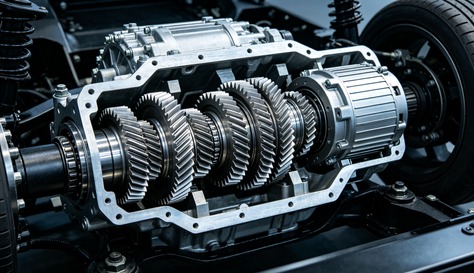
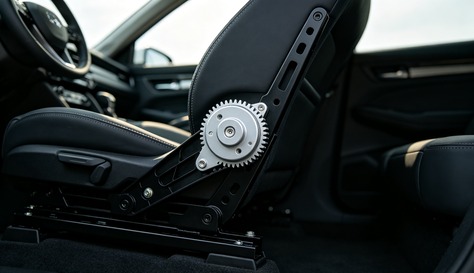
1. Automotive industry (highest volume)
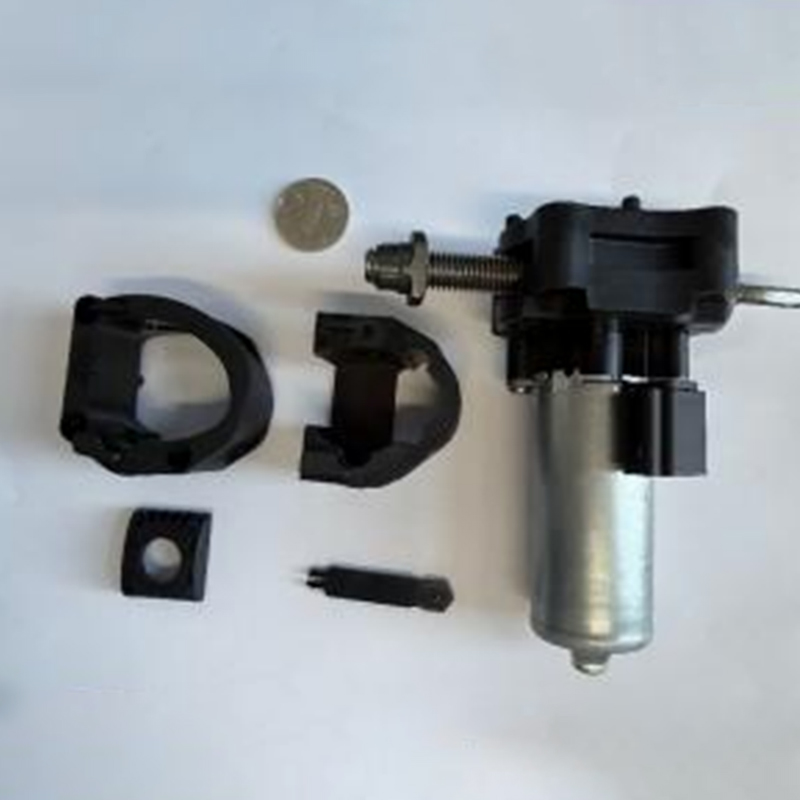
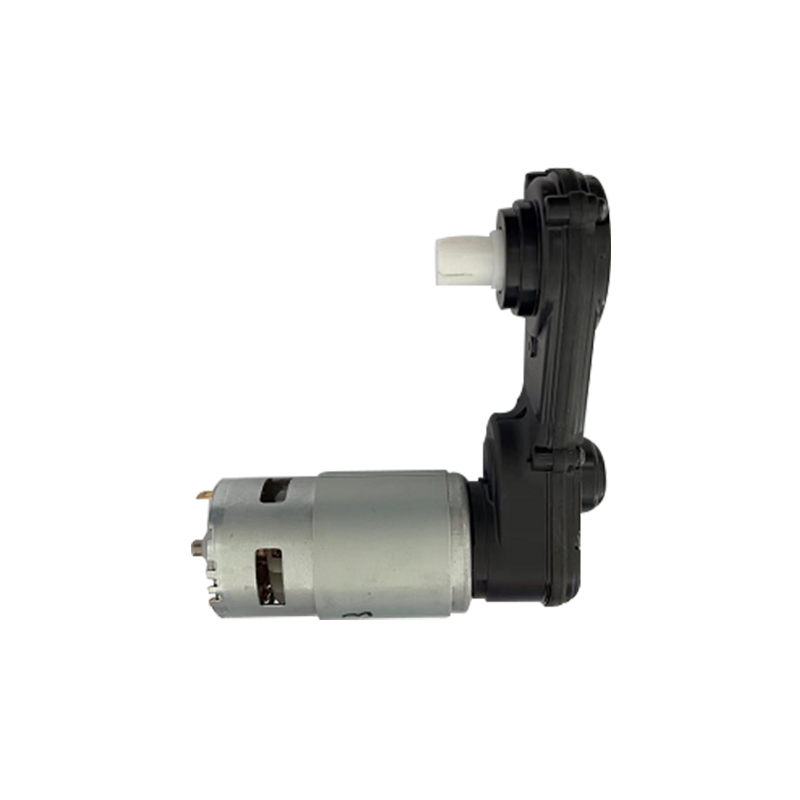
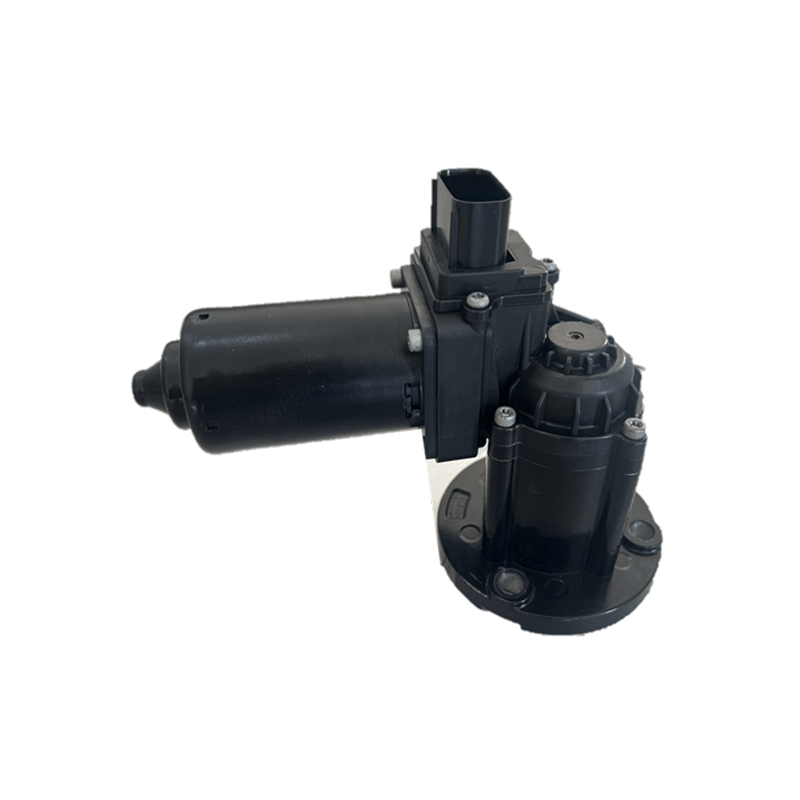
• Steering systems: EPS (Electric Power Steering), SbW (Steer-by-Wire); helical gears, worm gears, and bevel gears used for torque transmission and angle feedback. • Seat adjustment mechanisms, window lift motors, brake actuators, electronic parking brakes; small metal gears used in motor reduction assemblies.
• Electric drive reduction gears for new energy vehicles (high-power helical gears).
2. Industrial Automation & Robotics
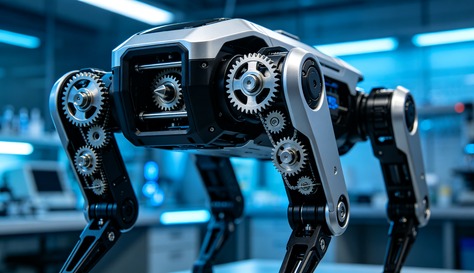
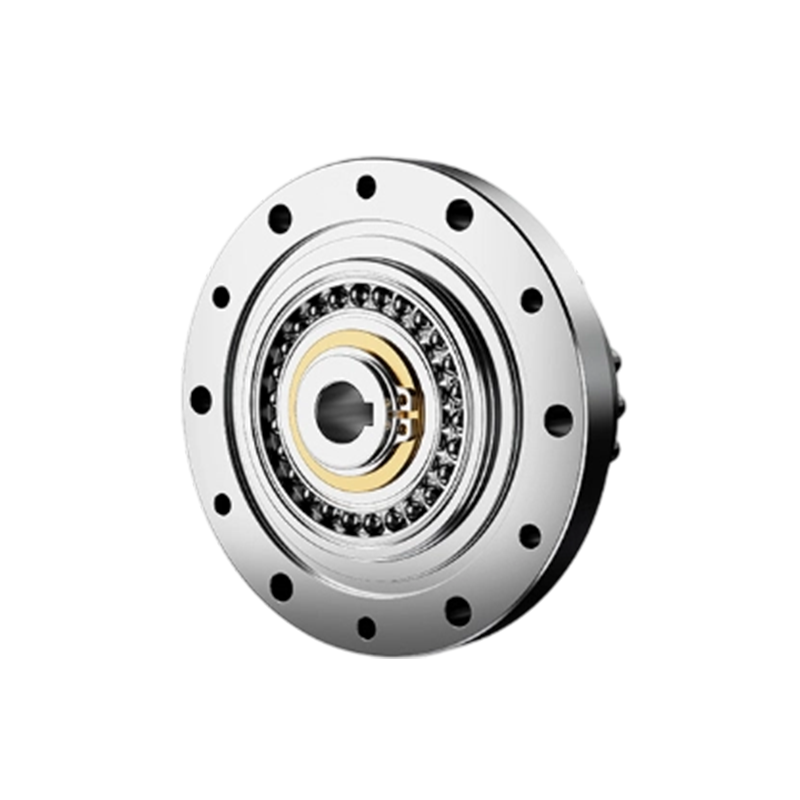
• Joint reduction gearboxes for collaborative robots and quadruped robots (e.g., Deep Robotics): bevel gears, helical gears, and worm gear sets; used for torque amplification and directional transmission.
• Servo motors, planetary gearboxes, conveyor systems, and automated tooling equipment.
3. Home Appliances & Personal Care Devices
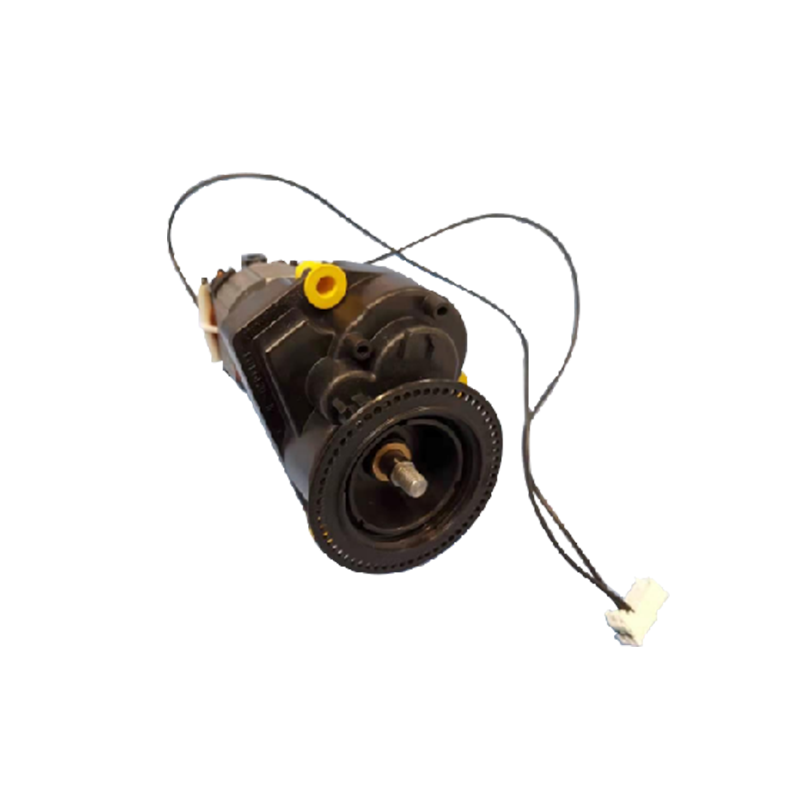
• Internal reduction gear sets for robot vacuums and pool cleaning robots (e.g., Xingmai);
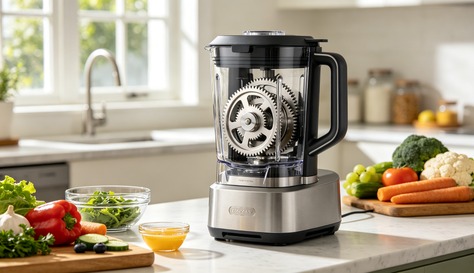
• Small metal gears for blenders, high-speed food processors, curling irons, and power tools; designed to withstand high torque.
4. Aerospace/Security/Actuators
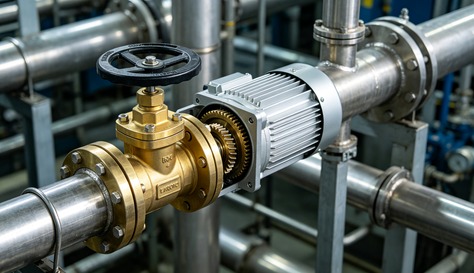
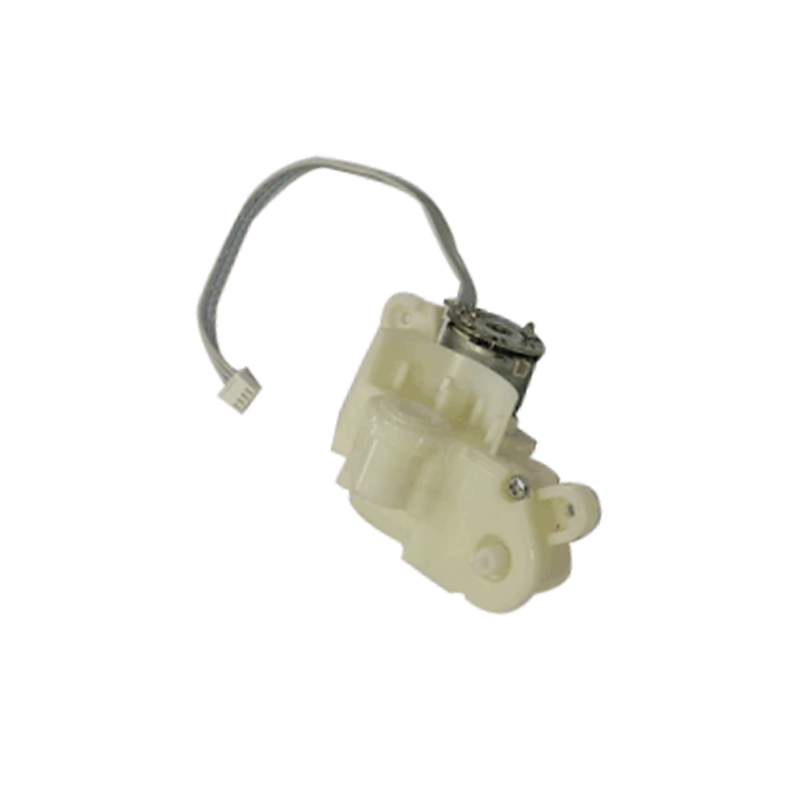
• Various actuators: valve drives, security camera gimbals, and camera zoom mechanisms; worm gear sets offer self-locking capabilities, preventing backlash or movement upon power loss.
5. Medical Devices
• Micro-transmission mechanisms for rehabilitation equipment and medical devices; metal gears offer wear resistance, long service life, and high precision.
Application Focus by Gear Type
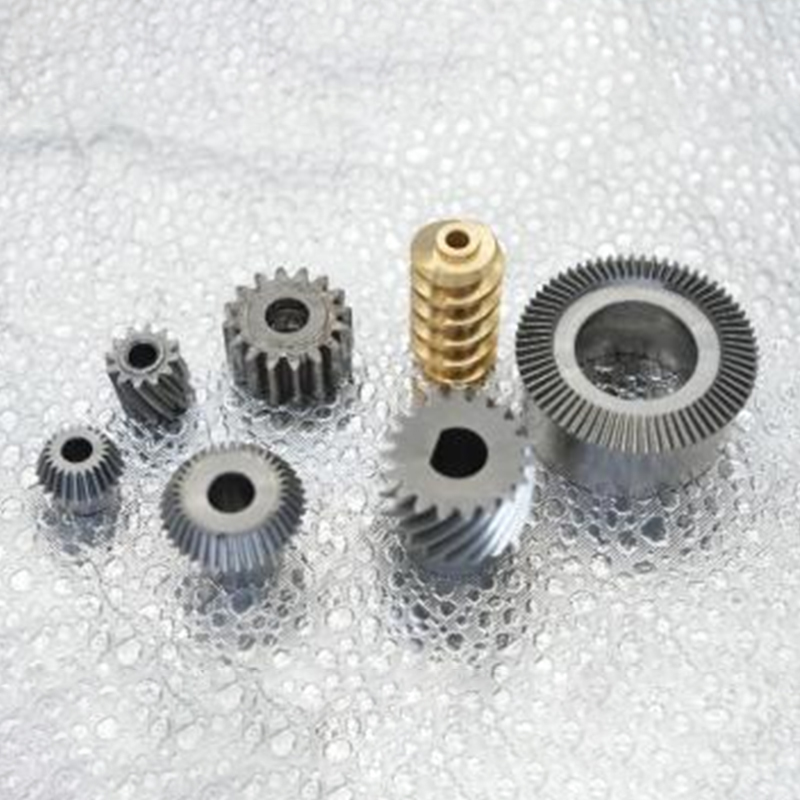
1. Spur gears: Low-cost, low-speed applications (home appliances, standard small equipment); high noise levels; rarely used in high-end automotive steering systems.
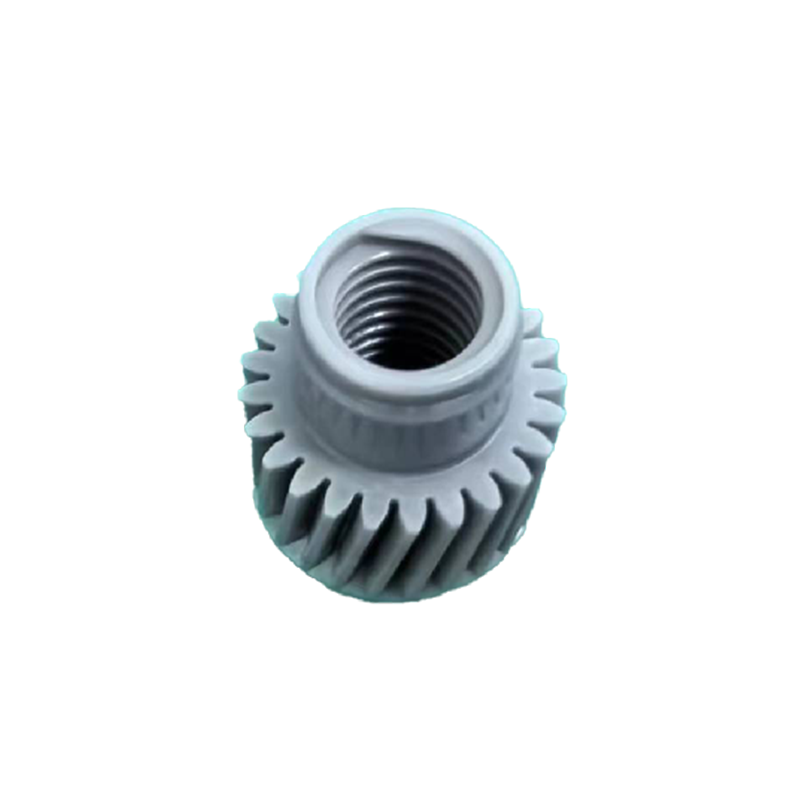
2. Helical gears: Preferred for automotive steering and robotics; offer smooth transmission, low noise, and high load-bearing capacity.
3. Bevel gears: Used when a 90-degree change in direction is required; applications include robot joints and steering mechanisms.
4. Worm gear sets (gold-colored bronze worm gears): Used when high reduction ratios and self-locking capabilities are required; applications include automotive steering feedback mechanisms, gimbals, valves, and robot joints.
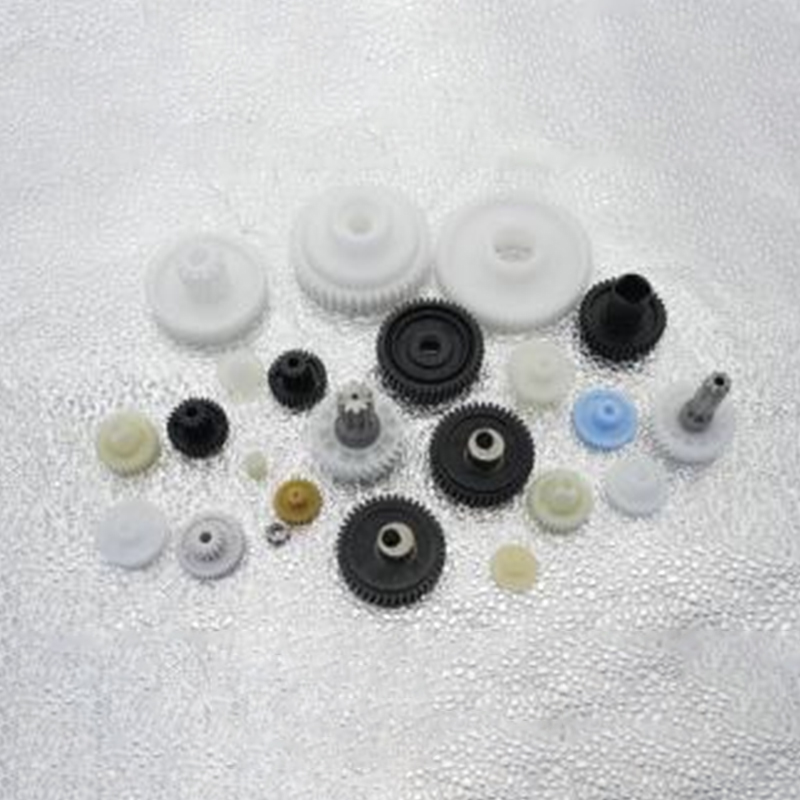
Comparison with plastic gears: Metal gears offer advantages such as temperature resistance, high strength, and high torque capacity.